
Buying an air fryer is exciting, until you open the box and realize you’re not quite sure what to do next.
If you’ve never used one before, questions pop up quickly. Do you need oil? Should you preheat it? Why is it smoking? And how do you avoid dry or uneven food?
Every product is independently reviewed and selected by our editors. If you buy something through our links, we may earn an affiliate commission at no extra cost to you.
Learning how to use air fryer for the first time for beginners doesn’t have to be confusing. In fact, once you understand the basics, it becomes one of the easiest and most reliable kitchen appliances you own.
How an Air Fryer Works (In Simple Kitchen Terms)
An air fryer is essentially a compact convection oven.
It uses:
- A heating element (like an oven)
- A powerful fan
- A small enclosed cooking space
The fan circulates hot air rapidly around your food. This movement of hot air creates a crispy exterior, similar to frying, but with little to no oil.
Why Food Gets Crispy
Crisping happens because:
- Hot air removes surface moisture
- High heat triggers browning (called the Maillard reaction)
- Oil, when used lightly, enhances texture and flavor
Unlike deep frying, you’re not submerging food in oil. Instead, you’re using controlled heat and airflow.
Tools That Make Air Frying Easier
You don’t need much, but these help:
- Silicone-tipped tongs
- Oil spray bottle (non-aerosol)
- Meat thermometer
- Parchment liners (air fryer safe only)
- Small silicone brush
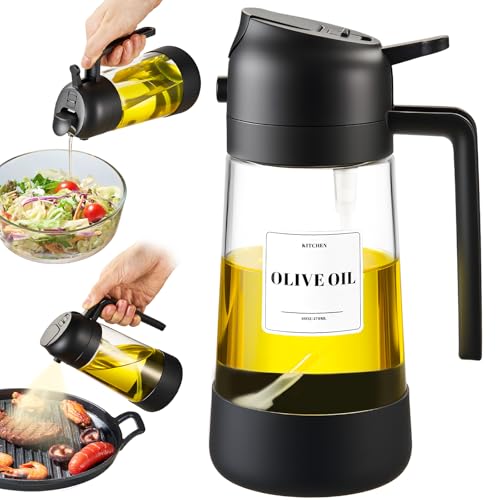


Avoid:
- Plastic utensils (may melt)
- Oversized pans that block airflow
Before You Cook: First-Time Setup
Before cooking anything, follow these important steps.
1. Unbox and Inspect
Remove:
- All plastic packaging
- Protective stickers
- Cardboard inserts from inside the basket
Check for:
- Cracks
- Loose components
- Damaged cords
If anything looks off, contact the manufacturer before use.
2. Wash Removable Parts
Wash these parts in warm, soapy water:
- Basket
- Crisper tray
- Drawer (if removable)
Dry completely before reassembling.
Why this matters: New appliances often have factory residue or dust. Washing removes odors and prevents a plastic smell during first use.
3. Run It Empty (Very Important)
Before cooking food, run the air fryer empty.
How:
- Plug it in.
- Set temperature to 375°F (190°C).
- Run for 10–15 minutes.
- Open windows if needed.
You may notice a slight smell, that’s normal during the first burn-off cycle.
How to Use Air Fryer for the First Time for Beginners (Step by Step)
Now let’s cook something simple, like frozen fries or chicken tenders.
Step 1: Preheat (If Your Model Requires It)
Some air fryers preheat automatically. Others require manual preheating.
Basic rule: Preheat for 3–5 minutes at the cooking temperature.
Preheating helps:
- Food cook evenly
- Improve crispiness
- Reduce cooking time
Step 2: Prepare the Food
For your first try, keep it simple.
Good beginner options:
- Frozen French fries
- Frozen nuggets
- Pre-seasoned vegetables
- Chicken breast
If using fresh food:
- Pat it dry
- Add light oil (1–2 teaspoons max)
- Season evenly
Important: Do not soak food in oil. Air fryers need minimal oil.
Step 3: Don’t Overcrowd the Basket
This is the #1 beginner mistake.
Food needs space for air to circulate.
Good: Single layer with small gaps
Bad: Piled-up or stacked food
If necessary, cook in batches.
Step 4: Set Temperature and Time
General beginner temperature guide:
- Frozen fries: 375°F–400°F (190°C–200°C)
- Chicken breast: 360°F–380°F
- Vegetables: 350°F–375°F
- Reheating leftovers: 320°F–350°F
Start with recommended times from packaging or recipe.
Tip: Check food halfway through.
Step 5: Shake or Flip Halfway
At the halfway mark:
- Shake basket for fries or small items
- Flip meat with tongs
- Rearrange pieces if needed
This ensures even browning.
Step 6: Check for Doneness
Use:
- A food thermometer (especially for chicken)
- Visual check (golden brown exterior)
Safe internal temperatures:
- Chicken: 165°F (74°C)
- Beef: 145°F (medium)
- Pork: 145°F
Step 7: Let Food Rest Briefly
Let food sit for 2–3 minutes before eating.
This:
- Locks in juices
- Finishes internal cooking
- Improves texture
Common Beginner Mistakes (And How to Avoid Them)
- Using Too Much Oil
More oil does NOT mean crispier food.
Too much oil can:
- Cause smoking
- Make food soggy
- Create mess
Stick to light spraying or brushing.
- Ignoring Smoke
If your air fryer smokes:
Possible causes:
- Grease buildup
- Fatty food dripping
- Food debris under basket
Solution:
- Add a little water to bottom drawer (if allowed)
- Clean after each use
- Trim excess fat from meat
- Cooking at One Temperature for Everything
Not all foods cook best at 400°F.
High heat:
- Good for crisping
- Bad for thick cuts of meat
Lower heat:
- Better for thick proteins
- Prevents outside burning
- Skipping Cleaning
Leftover grease causes:
- Smoke
- Odor
- Reduced performance
Clean after every use.
DIY Cooking vs Pre-Packaged Air Fryer Foods
Pre-Packaged Foods
Pros:
- Easy
- Clearly labeled cooking times
- Beginner-friendly
Cons:
- Higher sodium
- Less fresh
- More expensive
Homemade Cooking
Pros:
- Healthier
- More flavor control
- Budget-friendly
Cons:
- Requires seasoning knowledge
- Slight learning curve
For beginners, start with frozen foods, then gradually move to fresh ingredients.
What NOT to Do in an Air Fryer
- Don’t use wet batter (it drips and burns)
- Don’t overcrowd basket
- Don’t block air vents
- Don’t use aerosol cooking sprays (damages coating)
- Don’t submerge entire unit in water
- Don’t ignore unusual smells
Cleaning and Maintenance for Long-Term Performance
After Every Use:
- Unplug and cool completely.
- Remove basket and tray.
- Wash with warm soapy water.
- Wipe interior with damp cloth.
Weekly (If Used Often):
- Check heating element for grease buildup.
- Gently wipe with soft cloth.
Proper cleaning prevents:
- Smoke
- Flavor transfer
- Mechanical issues
When to Call a Professional
Air fryers are generally low-maintenance.
Call customer service if:
- It stops heating
- Fan makes loud grinding noise
- Display stops working
- Persistent burning smell continues after cleaning
Do not attempt internal electrical repairs yourself.
Cost, Time & Effort Expectations
Time Saved: Air fryers cook 20–30% faster than ovens.
Electricity Use: Lower than full-size oven.
Effort Level: Low once you understand basics.
Cleaning Time: 5–10 minutes per use.
Frequently Asked Questions
1. Do I need to use oil in an air fryer?
No, but a small amount improves texture and browning. Most foods need only 1–2 teaspoons.
2. Can I put aluminum foil in an air fryer?
Yes, but:
- Do not block airflow
- Secure it properly
- Never run it empty with foil inside
3. Why is my food not crispy?
Likely causes:
- Overcrowding
- Too much moisture
- No preheating
- Temperature too low
4. Can I cook raw meat in an air fryer?
Yes. Just ensure proper internal temperature using a thermometer.
5. Is air-fried food actually healthier?
It uses significantly less oil than deep frying, which reduces calories and fat.
6. How long does it take to learn how to use air fryer for the first time for beginners?
Most people feel comfortable after 2–3 cooking sessions. It’s one of the easiest appliances to master.
Expert Tips for Best Results
- Dry food thoroughly before cooking.
- Cut vegetables evenly.
- Use light oil spray for best browning.
- Check food early, air fryers cook fast.
- Keep a small notebook of cooking times for your favorite meals.
Air frying becomes second nature once you understand airflow and spacing.
Conclusion
Learning how to use air fryer for the first time for beginners is much simpler than it looks.
Start by washing and pre-running the unit. Preheat when needed. Avoid overcrowding. Use minimal oil. Flip or shake halfway. Clean it after every use.
That’s it.
With just a few cooking sessions, your air fryer will become one of the most reliable tools in your kitchen, helping you prepare crispy, flavorful meals faster and with less mess.
Your next step? Pick one simple recipe today, like fries or chicken and try it using this guide. Confidence comes quickly once you see how easy it really is.
Happy air frying!