
Every product is independently reviewed and selected by our editors. If you buy something through our links, we may earn an affiliate commission at no extra cost to you.
Air fryers build up hard, sticky grease faster than most people expect. Even when you wipe the basket after every batch, that thin film of oil eventually cooks into a stubborn layer that feels almost baked on. When readers ask me how to remove hard grease from an air fryer, they’re usually dealing with a mix of polymerized oil, food residue, and heat‑set grime that simple soap and water won’t budge.
This guide walks you through the exact methods I rely on in real U.S. kitchens, methods that actually work, won’t damage your appliance’s nonstick coating, and don’t require specialty chemicals or unrealistic soaking rituals. I’ll explain why the buildup happens, how to remove it safely, and how to prevent it from returning.
Everything here is based on real, hands‑on experience cleaning heavily used air fryers in homes ranging from small apartments to busy, open‑concept family kitchens. My goal is to keep your appliance safe, functioning well, and clean enough that you don’t hesitate to use it every day.
Why Hard Grease Matters
Hard grease isn’t just cosmetic. Once it starts accumulating inside an air fryer, it affects:
- Food safety – Burnt, degraded oils create unpleasant flavors and can trap bacteria if left unchecked.
- Cooking performance – Residue blocks airflow, causing uneven browning and longer cook times.
- Odor control – Old grease absorbs smells, which transfer to fresh food.
- Appliance longevity – Built-up grease forces heating elements to work harder and slowly degrades nonstick coatings.
Hard grease forms because air fryers use high, concentrated heat in a small space. Oil droplets and steam circulate around the food, settle on cool surfaces, and cook into a stubborn film. Over time, that film layers and hardens. Removing it requires softening, dissolving, and gently lifting the residue without damaging the appliance.
Quick Cleaning Routine (Daily or After Heavy Use)
This routine keeps grease from becoming the hardened buildup that turns into a deep-clean project.
Step 1: Unplug and cool completely Wait until the air fryer is fully cool. Cleaning a hot nonstick surface can warp it or weaken the coating.
Step 2: Remove the basket and tray These are usually dishwasher-safe, but hand-washing extends their life.
Step 3: Use hot, soapy water and a soft sponge The key is very warm, almost uncomfortably hot water. Heat softens the fresh grease and keeps it from binding to the surface.
Why this works: Fresh grease hasn’t had time to polymerize. Heat + surfactants (soap) break the bond before it hardens.
Step 4: Rinse and towel-dry fully Allowing water to sit on nonstick coatings shortens their life and leads to spotting.
Step 5: Wipe the interior with a damp, soapy cloth Avoid getting water into the heating element area.
Step 6: Dry the interior with a clean cloth A dry interior reduces odor problems and prevents stray crumbs from gluing themselves to the walls next time you cook.
This 2-minute routine dramatically cuts down on future hard grease.
What You’ll Need for Hard Grease Removal
Below are the items I recommend based on real-world use. Each one has a specific purpose and a safety profile you need to understand.
Item • Soft sponge or non-scratch scrub pad Purpose • Scrubs residue without damaging nonstick Why it’s effective • Removes softened grease after the cleaning solution does its job Safety Notes • Never use steel wool or abrasive pads
Item • Baking soda Purpose • Gentle, food-safe abrasive Why it’s effective • Works on polymerized oils without scratching Safety Notes • Use only as a paste—never dry-scrub
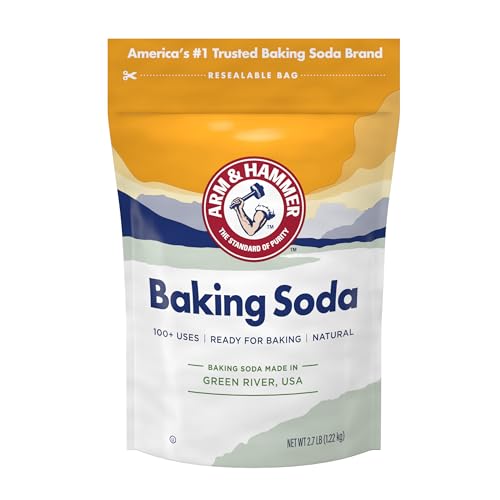
- Ideal for Baking: Made with fine baking soda particles from Grade 1 baking soda to create fluffier recipes; Elevate your…
- Made in USA: Pure baking soda made in Green River, Wyoming that’s ready for baking; Manufactured with a focus on using l…
- Pure & Natural: Free of harsh chemicals, gluten free, kosher, and can be used in organic baking; ARM & HAMMER is America…
Item • Dish soap (grease-cutting) Purpose • Breaks down grease Why it’s effective • Surfactants lift oils once softened Safety Notes • Any major U.S. brand is fine
Item • White vinegar Purpose • Softens cooked-on grime Why it’s effective • Mild acid helps dissolve residue Safety Notes • Never spray directly into heating elements
Item • Microfiber cloth Purpose • Safe for interior walls Why it’s effective • Doesn’t shed fibers and traps grease particles Safety Notes • Keep separate cloths for interior and exterior
Item • Small detailing brush Purpose • Reaches crevices, corners, vent areas Why it’s effective • Physically lifts softened grease Safety Notes • Keep brush dry around wiring or fans
Item • Optional: nylon pan scraper Purpose • Lifts hardened residue Why it’s effective • Removes stuck bits without scratching Safety Notes • Plastic only, not metal
Deep Cleaning Method: How to Remove Hard Grease From an Air Fryer
This is the method I use for hardened grease. It works consistently without exposing the nonstick coating to unnecessary risk.
Step 1: Remove the basket, tray, and accessories
These will receive the deepest clean. Do not clean the interior the same way you clean the removable parts, those surfaces are more delicate.
Step 2: Create a baking soda paste
Mix:
• 3 tablespoons baking soda • 1 tablespoon water • A small squeeze of dish soap
The texture should be spreadable, like toothpaste.
Why this works: Baking soda provides gentle abrasive action. Dish soap helps break down the oil. Water keeps it from scratching.
Step 3: Apply the paste to hardened grease areas
Focus only on the dirty spots. Avoid coating the entire surface—you don’t need to.
Let it sit for 20–30 minutes.
Why this works: Hard grease is polymerized oil. It needs time to soften. The paste breaks down the bond between oil and surface.
Step 4: Gently scrub with a non-scratch sponge
You’re not trying to grind the grease off. You’re lifting it after it softens.
If needed, use a nylon pan scraper on the toughest patches.
Step 5: Rinse thoroughly with hot water
Leaving residue behind causes film buildup and odors.
Step 6: Address the interior walls (no soaking!)
Air fryer interiors are not designed for soaking or spraying with heavy liquid.
Do this instead:
• Dampen a microfiber cloth with warm water and mild dish soap • Wipe the interior walls • Use a dry section of the cloth to remove moisture • For stubborn spots, dab a little baking soda paste onto a cloth, never directly onto the unit
Step 7: Clean the heating element (carefully)
Turn the air fryer upside down for better access.
Use:
• A barely damp cloth to wipe dust and loose debris • A soft brush to remove stuck crumbs
If you see grease on the element itself (common in basket-style fryers), wipe gently with a cloth dampened with warm, soapy water. Rinse the cloth and wipe again with clean water. Dry fully.
Step 8: Reassemble and run a brief burn-off cycle
Set the empty air fryer to 350°F for 3–5 minutes.
Why this helps: It evaporates leftover moisture and burns off any microscopic grease film you may have missed.
Why Buildup Happens in The U.S. Kitchens
In everyday home settings, grease buildup is almost unavoidable. Here’s why:
- Small apartments: Air fryers often live under cabinets or in tight corners, limiting airflow and trapping oily steam.
- Open-concept kitchens: Airflow spreads odors and grease mist farther, which gradually settles on appliances.
- Frequent takeout: Reheating fries, wings, or pizza produces far more airborne grease than cooking vegetables.
- Coastal or humid areas: Moisture accelerates grease adhesion and makes residue tackier.
- Heavy use: In homes where the air fryer is used daily, even light cooking leaves residue that eventually cooks into a hardened layer.
Knowing these factors helps you tailor your prevention routine to your kitchen environment.
Prevention Tips That Actually Work
These are methods I rely on in real home kitchens.
1. Line the basket (but not all the time)
Use perforated parchment sheets or a silicone liner occasionally, especially for fatty foods.
Avoid solid, unvented liners. These block airflow and strain the heater.
2. Wash or wipe the basket while it’s still warm
Not hot, just warm. Warmth softens grease, making cleaning dramatically easier.
3. Don’t let food sit after cooking
Steam condenses on cooling food, carrying grease droplets with it.
4. Clean the exterior and handle regularly
Grease travels. The exterior gets dirtier than people realize, especially in small kitchens.
5. Avoid cooking sprays containing propellants
These create sticky residue that hardens faster than natural oils.
Look for: “no propellant” or “non-aerosol.”
6. Avoid extremely high heat for extended periods
Air fryers rely on recirculated air, and prolonged high heat bakes oil onto surfaces.
Common Mistakes to Avoid
Avoiding these shortcuts will save you from damaging your air fryer.
Mistake 1: Using steel wool or abrasive pads
These permanently scratch nonstick coatings and create spots where grease collects faster.
Mistake 2: Spraying oven cleaner inside the unit
Oven cleaners are too harsh and can corrode heating elements, void warranties, and create dangerous fumes on the next cook cycle.
Mistake 3: Submerging the main unit
Even a quick dunk can ruin internal wiring or fan components.
Mistake 4: Pouring vinegar directly onto the element
Acid and electronics do not mix. Use only a damp cloth.
Mistake 5: Over-soaking nonstick baskets
Nonstick coatings can swell when left in water for hours, leading to premature peeling.
Mistake 6: Forgetting to dry everything fully
Moisture + leftover crumbs = a glue-like paste that hardens during the next use.
Extra Expert Tips From Real-World Use
Below are the small tricks I use when a client’s air fryer has deep, stubborn grease.
1. Use heat to your advantage
Before deep cleaning, boil a kettle and place the empty basket in the sink. Pour hot (not boiling) water around it with dish soap. Let it sit 10 minutes—much shorter than typical soaking guides suggest.
2. For the toughest spots, use a little vegetable oil first
Oil breaks down oil. Rub a small amount onto a hardened patch with a cloth, then apply baking soda paste.
3. A toothbrush is surprisingly effective
Ideal for:
• Vents • Brackets • Crevice edges • Basket corners
Use soft bristles only.
4. For older air fryers, deep clean monthly
Once coatings begin to age, grease sticks faster.
5. Know when to replace components
If the nonstick coating is peeling or flaking, stop using it. Most brands sell replacement baskets for less than the cost of a new air fryer.
FAQs
1. What is the best way to remove hard grease from an air fryer without damaging the nonstick coating? Use a baking soda and dish soap paste, let it rest for 20–30 minutes, and scrub gently with a non-scratch sponge. This method softens grease without abrasion.
2. Can I soak my air fryer basket overnight? I don’t recommend it. Long soaks can weaken the nonstick surface. Limit soaks to 10–20 minutes with hot water.
3. Is vinegar safe to use inside an air fryer? Yes, but only on a cloth. Never pour or spray directly inside the unit, and keep it away from heating elements.
4. Why does hard grease keep coming back? Grease mist circulates during cooking, especially with fatty foods. Without regular warm-water cleaning, it hardens into a polymerized layer.
5. Does baking soda scratch air fryer coatings? Not when used as a paste. Avoid dry powder scrubbing.
6. How often should I deep clean? For regular home use: every 3–4 weeks. For heavy daily use: every 1–2 weeks.
7. What’s the safest, simplest method for beginners to learn how to remove hard grease from an air fryer? Start with the baking soda paste method. It’s reliable, inexpensive, and safe for nearly all air fryer materials.
Conclusion
Knowing how to remove hard grease from an air fryer isn’t just about aesthetics, it’s part of keeping your appliance safe, odor-free, and working the way it should. With the right combination of heat, gentle cleaners, and consistent habits, even stubborn, cooked‑on grease can be removed without damaging the nonstick coating or the internal components.
A thoughtful cleaning routine, paired with realistic prevention habits, keeps your air fryer in excellent condition, whether you’re cooking nightly meals in a small apartment or reheating leftovers in a busy family kitchen. When maintained properly, your air fryer stays easier to clean, safer to use, and far more enjoyable for daily cooking.
If you follow the steps and reasoning in this guide, you’ll never struggle with hardened grease again.