
If you’ve ever pulled potato wedges out of the air fryer only to find them pale and soft, or worse, burnt on the outside and raw in the middle, you’re not alone.
Every product is independently reviewed and selected by our editors. If you buy something through our links, we may earn an affiliate commission at no extra cost to you.
Getting how long to cook potato wedges in air fryer right depends on three things most beginners overlook: wedge thickness, moisture content, and basket crowding. I’ve tested this in a small home kitchen air fryer (both 4-quart and 6-quart models), and a few small adjustments make the difference between soggy and seriously crispy.
This guide will walk you through exact timing, temperature, visual doneness cues, and common mistakes, so your wedges come out golden, fluffy inside, and properly cooked on the first try.
Exactly How Long to Cook Potato Wedges in Air Fryer
For standard, hand-cut potato wedges:
- Temperature: 380°F (193°C)
- Cooking Time: 18–25 minutes
- Flip/Shaking: At the 10–12 minute mark
Timing by Thickness
- Thin wedges (½ inch thick): 16–18 minutes
- Medium wedges (¾ inch thick): 20–22 minutes
- Thick wedges (1 inch+): 22–25 minutes
In real kitchens, thickness matters more than potato variety. If your wedges vary in size, the smaller ones will finish first, remove them early to prevent over-browning.
Why This Method Works
Air fryers cook using rapid circulating hot air. Think of it as a compact convection oven that moves heat aggressively around the food.
Here’s what’s happening:
- Dry circulating heat evaporates surface moisture.
- Oil on the exterior helps conduct heat and promotes browning.
- Proper spacing allows airflow to crisp instead of steam.
What most beginners don’t realize: If wedges are too wet or crowded, they steam instead of roast. That’s why you sometimes get soft, pale wedges even after 25 minutes.
Through repeated testing, I’ve found that slightly higher heat (380°F instead of 350°F) gives better browning without burning the edges.
Ingredients & Tools You’ll Need
- 2–3 medium russet potatoes (best for crispy wedges)
- 1–2 tablespoons olive oil (or avocado oil)
- ¾–1 teaspoon salt
- ½ teaspoon black pepper
- Optional: garlic powder, paprika, onion powder, dried herbs
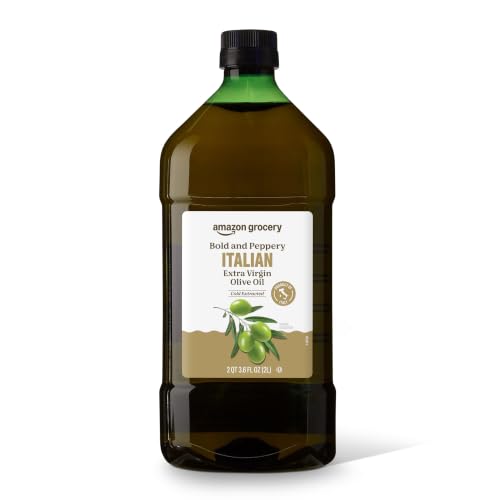
- Cold extracted
- A smooth blend with subtle notes of pepper and herbs
- Pressed and bottled in Italy
Why Russets Work Best
Russet potatoes are high in starch and low in moisture. That gives you:
- Crispier exteriors
- Fluffier interiors
- Better browning
Yukon Gold works too, but they’ll be slightly creamier and less crispy.
Tools
- Air fryer (basket-style preferred)
- Sharp knife
- Cutting board
- Mixing bowl
- Tongs or spatula
- Paper towels (for drying)
No parchment needed unless your fryer tends to stick.
How long to cook potato wedges in air fryer (Step-by-Step Instructions)
Step 1. Cut the Potatoes Evenly
Cut each potato in half lengthwise, then into 3–4 wedges per half.
Aim for:
- ¾ inch thick at the widest part
- Uniform size for even cooking
Uneven wedges cook unevenly. In testing, thin edges burn before thick centers cook through.
Step 2. Rinse and Dry Thoroughly
Rinse wedges under cold water to remove excess surface starch.
Then dry completely with paper towels.
This step matters. If they’re damp, they steam instead of crisp. I’ve tested skipping this step—texture suffers every time.
Step 3. Toss with Oil and Seasoning
In a bowl, toss wedges with:
- 1–2 tablespoons oil (just enough to lightly coat)
- Salt and seasonings
You don’t want them dripping—just glossy.
Too much oil causes:
- Smoking
- Greasy texture
- Uneven browning
Step 4. Preheat the Air Fryer
Preheat to 380°F for 3–5 minutes.
Preheating gives the wedges an immediate blast of heat, helping the exterior crisp before the interior overcooks.
Step 5. Arrange in a Single Layer
Place wedges cut-side down if possible.
Important:
- Do not stack.
- Do not overcrowd.
- Leave small gaps between wedges.
If cooking more than one layer, cook in batches. Crowding adds 5–10 minutes and reduces crispiness.
Step 6. Cook and Flip
Cook at 380°F for 18–25 minutes.
At 10–12 minutes:
- Open basket
- Flip wedges or shake basket
This promotes even browning.
Step 7. Check for Doneness
They’re done when:
- Exterior is golden brown and crisp
- Edges are slightly darker
- A fork slides easily into the thickest part
- Internal temperature reads 205–210°F
You’ll also notice a toasted, roasted potato aroma—that’s your cue they’re nearly ready.
If needed, cook 2–3 minutes longer.
Pro Tips & Best Practices
After making these weekly for family dinners and meal prep, here’s what truly makes a difference:
- Don’t Skip Drying
Even slightly wet potatoes won’t crisp properly.
- Don’t Over-Oil
A light coating works better than heavy oil.
- Salt After Cooking for Extra Crispiness
If you want ultra-crispy wedges, use minimal salt before cooking and add a light sprinkle after. Salt draws moisture out.
- For Extra Crunch
Soak wedges in cold water for 30–60 minutes before drying and cooking. This removes excess starch and improves crisping.
- Adjust for Your Air Fryer Model
Smaller basket fryers cook slightly faster. Oven-style air fryers may need 2–3 extra minutes.
Always check early the first time you try a new batch.
FAQ: How Long to Cook Potato Wedges in Air Fryer
1. Why are my air fryer potato wedges not crispy?
Most common causes:
- Overcrowding the basket
- Not drying potatoes properly
- Too much oil
- Cooking at too low a temperature
Increase to 380°F and cook in a single layer.
2. Can I cook frozen potato wedges in the air fryer?
Yes.
- Temperature: 400°F
- Time: 18–22 minutes
- No need to thaw
Shake halfway through. Frozen wedges are pre-blanched, so they crisp differently and often faster.
3. How do I know when potato wedges are fully cooked?
They should:
- Be golden brown
- Feel crisp outside
- Be soft and fluffy inside
- Reach 205°F+ internally
If the center feels firm or slightly resistant, cook 2–4 minutes longer.
4. Can I use Yukon Gold instead of russet?
Yes, but expect:
- Slightly less crisp exterior
- Creamier interior
- 1–2 minutes shorter cooking time
5. Do I need to soak potatoes before air frying?
Not required, but helpful for extra crispiness. If you’re short on time, just rinse and dry thoroughly.
6. Why did my wedges burn on the outside but stay raw inside?
Likely causes:
- Cut too thick
- Temperature too high (400°F+ for too long)
- No flipping halfway
Lower to 380°F and ensure even sizing.
When NOT to Use This Method
This timing won’t work well if:
- Wedges are thicker than 1¼ inches (they’ll need par-cooking first)
- Your air fryer runs very hot (some compact models do)
- You’ve heavily coated them in batter (use 360°F instead)
If making loaded wedges with cheese and toppings, cook wedges fully first, then add toppings and air fry 2–3 minutes more.
Alternative Methods & Variations
1. Parboil First Method
Boil wedges 5–6 minutes before air frying.
Pros:
- Ultra fluffy interior
- More consistent results
Cons:
- Extra step
- More cleanup
Best for special occasions.
2. Low and Slow Method (Less Crispy)
- 350°F for 25–30 minutes
Produces softer wedges with less browning. Good for heavily seasoned or delicate potatoes.
3. Extra-Crispy High Heat Finish
Cook at 380°F for 18–20 minutes, then raise to 400°F for final 3–4 minutes.
Watch carefully to avoid burning.
Conclusion
For most home kitchens, the sweet spot for how long to cook potato wedges in air fryer is:
380°F for 18–25 minutes, flipping halfway.
From repeated testing, the biggest difference-makers are:
- Even cutting
- Thorough drying
- Proper spacing
- Not rushing the browning stage
Once you dial in your air fryer’s personality, potato wedges become one of the most reliable, low-effort side dishes you can make.
Start checking at 18 minutes, trust your visual cues, and adjust slightly from there. After a batch or two, you’ll know exactly how your machine behaves, and you’ll get consistently crispy, fluffy wedges every time.