
Every product is independently reviewed and selected by our editors. If you buy something through our links, we may earn an affiliate commission at no extra cost to you.
If you’ve ever tried to reheat pancakes in the microwave, you know how disappointing the texture can be, soggy edges, rubbery centers, and no trace of that freshly cooked aroma. As someone who runs a busy household kitchen and regularly preps big batches of pancakes for the week, I’ve tested just about every reheating method imaginable. The air fryer, when used correctly, consistently gives me the closest result to freshly griddled pancakes: warm, soft inside with a light, revived edge that still feels homemade.
The main problem most people face isn’t the air fryer itself, it’s the misunderstanding of how air circulation and heat transfer affect moisture. Pancakes are delicate; they dry out easily, and a few degrees too high or a minute too long can turn them brittle. This guide walks you through exactly how to heat up pancakes in an air fryer without losing texture or flavor, with explanations grounded in real cooking science and hands-on repetition.
Reasons Behind Pancake Dryness in the Air Fryer
There are two major factors that cause pancakes to turn tough or dry when reheated in an air fryer: airflow intensity and moisture imbalance.
- Airflow intensity: The air fryer’s strength is rapid heat circulation, which crisps surfaces by removing surface moisture quickly. Pancakes, however, are already cooked and have little surface moisture left. Overexposure means dehydration—especially at higher fan speeds or when pancakes are placed in direct airflow.
- Moisture imbalance: Pancakes store moisture unevenly. The edges lose steam first, while the centers trap humidity. Reheating too fast causes the centers to steam and the edges to over-dry.
- Stack reheating errors: People often stack pancakes in the basket. This traps steam between layers, making the bottom ones soggy while the top ones crisp too much.
- Temperature shock: Cold pancakes straight from the refrigerator or freezer need gradual reheating. If they hit a hot air fryer immediately, the outer layer toughens before the inside thaws.
Understanding these factors changes everything. Once you control airflow, temperature, and spacing, you can reheat pancakes that taste almost as if they just came off the skillet.
What Actually Matters Before You Start
To reheat pancakes perfectly, you only need a few tools and a bit of setup awareness.
Essential Tools:
- Air fryer with adjustable temperature: Models that let you set temperatures between 300°F and 400°F work best. Fixed-temp units often run too hot for pancakes.
- Parchment paper or perforated liner: Reduces direct airflow and prevents pancakes from drying out or sticking.
- Tongs or silicone spatula: To handle hot pancakes without tearing.
- Cooking spray or butter (optional): A light mist or brush prevents edges from hardening if you prefer softer results.
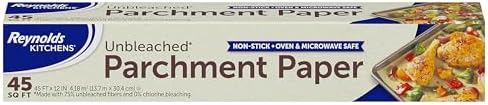
- Package Includes: One (1) Reynolds Kitchens Unbleached Parchment Paper Roll measuring 45 feet long by 12 inches wide (45…
- Easy and Quick Cleanup: The 12-inch wide baking parchment paper easily lines most sheet pans and cookie sheets for easy …
- Unbleached and Chlorine-Free: This unbleached parchment paper is made with 75% unbleached fibers and 0% chlorine bleachi…
Conditions:
- Refrigerated pancakes should be brought to room temperature for 5–10 minutes. This step limits the temperature gradient inside the pancake, helping heat distribute evenly.
- Frozen pancakes should be thawed slightly, either in the fridge for an hour or by microwaving on low power for 15–20 seconds per pancake. Directly frozen pancakes can overheat on the surface before the center is ready.
Trade-offs: Skipping parchment will give a bit more crispness but less tenderness. Reheating multiple pancakes at once saves time but sacrifices consistency. I prefer to reheat two to three at a time for balance.
How to heat up pancakes in air fryer
Step 1. Preheat the air fryer to 330°F (165°C). Why: A preheated air fryer prevents the first batch from drying out while it catches up to temperature. At 330°F, the air is hot enough to reheat without overcooking. What happens if skipped: You’ll need a longer cycle to warm up, which exposes pancakes to extra airflow. The result—drier texture.
Step 2. Line the basket with parchment paper or a perforated liner. Why: Pancakes are soft and prone to sticking, especially if they contain syrup or fruit bits. The liner diffuses airflow and keeps moisture balanced beneath. If skipped: The direct airflow from the basket base can create uneven heating and brittle undersides.
Step 3. Arrange pancakes in a single layer, never stacked. Why: Each pancake needs direct, even exposure to circulating air. Overlapping prevents proper heating, leaving cold spots. If skipped: You’ll end up with alternating soggy and crisp layers.
Step 4. Optional: Lightly mist or brush with butter or neutral oil. Why: A thin coating adds insurance against dryness and restores a just-cooked sheen. If skipped: Texture will rely solely on retained moisture, which can be inconsistent in older pancakes.
Step 5. Heat for 2 to 3 minutes for refrigerated pancakes; 3 to 4 minutes for thawed frozen ones. Why: This time window warms pancakes through without browning. Keep a close eye at the 2-minute mark; pancakes should feel springy and hot to the touch, not stiff. If overheated: Sugar in the batter caramelizes, creating tough edges and a dry bite.
Step 6. Flip halfway if your air fryer has uneven circulation. Why: Some basket-style models blow stronger air from one side. Flipping ensures consistent warmth. If skipped: One side may end up warmer or slightly crisper than the other.
Step 7. Remove immediately and serve. Why: Pancakes continue to cook from residual heat. Letting them sit in the basket after the cycle ends lets them dry out rapidly.
Techniques That Separate Average Results from Excellent Ones
- Use a moisture buffer: Tenting warm pancakes under a clean kitchen towel for one minute after reheating lets trapped steam soften the crumb slightly, restoring the fresh texture.
- Butter timing: Don’t butter before reheating—it burns and darkens unevenly in the air fryer. Always butter after reheating, when they’re hot enough to melt it instantly.
- Temperature discipline: Resist the temptation to go hotter to save time. Anything above 350°F increases dehydration and changes flavor due to sugar caramelization.
- Airflow control: If your air fryer has a strong fan (common in compact models), use a layer of foil punched with holes instead of parchment. It shields pancakes from direct blast while allowing steam escape.
- Texture tuning: Want slightly crisp edges for contrast? Remove the parchment during the last 30 seconds of heating. That’s enough to dry the outer rim without toughening the rest.
Common Mistakes (And Why They Cause Problems)
Mistake 1: Reheating too hot. Cause → Air fryer temperatures above 360°F make sugars on the pancake surface brown and harden faster than the interior can reheat. Fix → Stay around 320–340°F. That’s the sweet spot for gentle reheating.
Mistake 2: Overcrowding the basket. Cause → Air can’t circulate evenly, so pancakes heat unevenly and steam each other. Fix → Reheat in small batches and keep at least ½ inch of space between pancakes.
Mistake 3: Using wet or syrup-covered pancakes. Cause → Liquid surfaces caramelize unevenly and can burn on contact with hot air. Fix → Pat syrup or moisture off before reheating. Add toppings afterward.
Mistake 4: Ignoring preheat. Cause → The first few minutes of warm-up draw out moisture before real reheating begins. Fix → Always start with a preheated chamber to minimize exposure time.
Mistake 5: Letting pancakes sit too long after reheating. Cause → Carryover heat and continued air circulation inside the basket dehydrates them. Fix → Remove immediately and serve or cover.
Variations, Adjustments, and Practical Scenarios
For frozen store-bought pancakes: Most are thinner and contain stabilizers. They tolerate direct-from-frozen reheating at 340°F for 4–5 minutes. Flip at halfway to ensure even warmth.
For homemade pancakes with add-ins (blueberries, chocolate chips): Add-ins can melt or release moisture. Reduce temperature to 320°F and heat for 3 minutes, checking halfway. This protects fruit structure and chocolate integrity.
For protein or whole-grain pancakes: These tend to be denser and drier initially. Brush lightly with butter or a touch of water before reheating; 330°F for 3–4 minutes works best.
For mini or silver-dollar pancakes: Because of their small mass, start checking at 1½ minutes. They heat very quickly and can crisp excessively if left longer than 2½ minutes.
If reheating for a family: Keep a low oven (around 200°F) on standby. As each batch comes out of the air fryer, transfer to the oven covered loosely with foil. This maintains warmth without drying.
Troubleshooting Guide
| Problem | Likely Cause | Fix |
| Pancakes turned hard and dry | Temperature too high or reheated too long | Lower to 320°F and shorten time by 1 minute |
| Center still cold | Pancakes stacked or basket overcrowded | Reheat single layer only; extend time 1 minute |
| Burnt spots on surface | Syrup residue or butter pre-applied | Clean surface or reheat plain pancakes |
| Uneven texture between batches | Variable air fryer preheat or fan direction | Preheat consistently and rotate basket halfway |
| Pancakes splitting when removing | No liner or stuck to basket | Use parchment or silicone liner next time |
| Lack of fresh flavor | Pancakes too old or dried in storage | Sprinkle a few drops of water before reheating to restore moisture |
Frequently Asked Questions
1. Can I reheat pancakes with toppings like syrup or fruit in the air fryer? No. Syrup burns and fruit scorches quickly. Always reheat plain pancakes and add toppings afterward.
2. How do I keep reheated pancakes warm without drying them? Stack them with parchment or paper towels between layers and cover loosely with foil. The steam from residual heat keeps them tender.
3. Can I use the reheat setting on my air fryer instead of manual temperature? Yes, if your air fryer’s reheat setting hovers around 320–340°F. Avoid generic “reheat” modes that exceed 350°F.
4. How do I reheat a large batch efficiently? Work in small batches through the air fryer, then hold them in a 200°F oven under foil until all are ready to serve.
5. Why do my pancakes come out leathery after air frying? You likely used too high a temperature or left them in the hot basket afterward. Remove immediately once hot and cover briefly.
6. Can I reheat frozen pancakes without thawing? Yes, but expect a slightly firmer texture. Use 340°F for 5 minutes, flipping once.
7. Will reheating in foil packets help keep them soft? You can wrap two pancakes loosely in foil and air fry at 350°F for 4–5 minutes. This traps steam and gives a softer, almost steamed texture.
Final Thoughts and Practical Takeaways
Learning how to heat up pancakes in an air fryer isn’t about memorizing a time and temperature; it’s about understanding moisture control and airflow. The air fryer’s efficiency can either ruin or revive pancakes depending on how you manage those two forces.
In my own kitchen, I treat pancakes more like baked goods than fried foods, they need gentle, even reheating that respects their delicate crumb. The sweet spot is around 330°F for 2–3 minutes, single layer, protected from harsh airflow. Use parchment if you want soft pancakes, skip it in the final half-minute for light crispness.
Once you master these small adjustments, you’ll never reach for the microwave again. Your reheated pancakes will taste freshly made, warm, tender, and aromatic, worthy of any leisurely breakfast table.