
Every product is independently reviewed and selected by our editors. If you buy something through our links, we may earn an affiliate commission at no extra cost to you.
Your kitchen cabinets take more abuse than you might realize. Every time you cook, microscopic grease droplets float through the air and settle on nearby surfaces. Mix in dust, steam, and the occasional splash of sauce, and you’ve got sticky, stubborn buildup that dulls the beauty of your cabinets. Learning how to remove grime from kitchen cabinets is crucial not only for appearance, but also for hygiene, air quality, and the lifespan of your cabinetry.
In this guide, we’ll walk you through professional, practical methods to clean and maintain your cabinets, whether they’re wood, laminate, or painted. You’ll learn daily cleaning habits, a deep-cleaning process, recommended tools, and simple ways to prevent grime from coming back.
Why Cabinet Grime Matters
Grime is more than just a cosmetic issue. In the kitchen, it’s a mix of airborne oils, cooking residue, and dust that can trap bacteria and odors. Over time, this buildup can:
- Dull finishes and discolor surfaces
- Weaken paint or wood sealants
- Make doors sticky and attract more dust
- Create an unhygienic environment where bacteria can thrive
Knowing how to remove grime from kitchen cabinets helps protect your investment, keep your space smelling fresh, and maintain a clean, welcoming kitchen.
Quick Cleaning Routine: Daily or After-Use Cleaning Steps
You don’t have to do a full deep clean every week. A simple daily routine can keep your cabinets in great shape. Here’s a quick, five-minute approach you can build into your everyday cooking cleanup.
Step by Step Daily Routine
- Wipe after cooking: After preparing meals, dampen a soft microfiber cloth with warm water and a drop of mild dish soap. Lightly wipe down cabinet doors near the stove and sink—these collect the most grease.
- Use a second pass with plain water: After removing grime and soap, go over the surface with another cloth dampened in clean water to remove any residue.
- Dry thoroughly: Always follow up with a dry towel to prevent moisture damage, especially on wood cabinets.
- Spot-check handles and corners: These areas collect fingerprints and oil. A quick swipe every day prevents sticky buildup later.
This simple routine dramatically reduces the need for heavy scrubbing in the future.
What You’ll Need: Tools and Materials Chart
Here’s a list of tried-and-true cleaning tools and supplies, with explanations for each.
| Tool / Material | Why It Works | Notes |
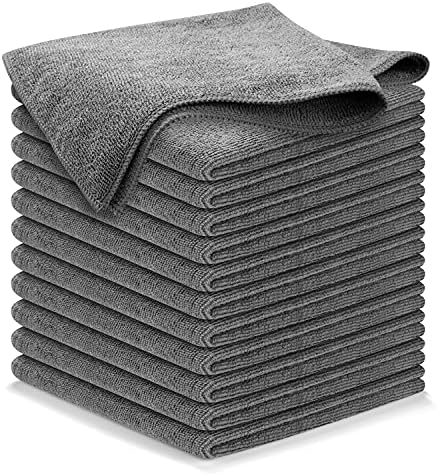
| Microfiber cloths | Lift grime without scratching | Wash and reuse—avoid paper towels that shed lint |
| Soft-bristle brush or toothbrush | Gets into corners and along trim | Ideal for ornate cabinet designs |
| Dish soap (mild, degreasing) | Breaks down grease safely | Avoid harsh detergents or bleach |
| White vinegar (optional) | Natural degreaser and deodorizer | Dilute with water to avoid damaging finishes |
| Baking soda | Gentle abrasive for stubborn spots | Make a paste with water for scuff removal |
| Spray bottle | Helps apply cleaning solution evenly | Label your homemade mixes clearly |
| Dry towel or lint-free cloth | Prevents water spots | Essential after any wet cleaning |


Pro Tip: Always test any homemade solution in a hidden area first, especially on painted or stained wood.
Deep Cleaning Process: Monthly or Seasonal Maintenance
Even with daily care, grime slowly accumulates, especially around handles, hinges, and near the stove. Here’s a professional-level deep-cleaning process that keeps your cabinets looking and smelling like new.
Step 1: Clear and Prepare
- Empty the cabinets so you have full access to shelves, corners, and door edges.
- Lay a towel on the counter to protect items you remove.
- Ventilate the area by opening a window or turning on the range hood.
Step 2: Mix a Safe Cleaning Solution
For most cabinets, mix:
- 2 cups of warm water
- 1 teaspoon of mild dish soap
- Optional: 1 tablespoon of white vinegar (for extra degreasing power)
Avoid ammonia-based cleaners, they can dull finishes or discolor paint.
Step 3: Wipe and Agitate
- Dip your microfiber cloth into the solution, wring it out well, and start wiping in circular motions.
- For textured wood grain or raised panels, use a soft brush to lift grime from grooves.
- Don’t soak the surface—moisture can warp wood or loosen adhesive edges.
Step 4: Rinse and Dry
- Use a clean, damp cloth to remove any soap film.
- Immediately dry with a towel to avoid streaks and water spots.
Step 5: Tackle Stubborn Grease
If regular cleaning doesn’t remove baked-on grime, try these gentle spot treatments:
- Baking soda paste: Mix baking soda with water, apply to the greasy area, wait 10 minutes, then gently scrub and rinse.
- Vinegar spray: Spray diluted vinegar (1 part vinegar to 2 parts water), wait 5 minutes, then wipe clean.
- Commercial cabinet degreaser: Choose one labeled safe for your cabinet’s finish. Always follow manufacturer instructions.
Step 6: Clean Handles and Hardware
Handles attract oils from your hands. Remove them if possible and soak in warm, soapy water. Use a toothbrush to clean crevices, rinse, and dry fully before reinstalling.
Step 7: Reorganize and Replace Items
Before putting everything back, quickly wipe the inside shelves. This is a great time to declutter expired spices or dusty containers.
Prevention Tips: Keep Grime from Coming Back
Once you’ve learned how to remove grime from kitchen cabinets, keeping them clean is all about prevention. Here’s how to make it almost effortless:
- Cook with lids on pots and pans: This reduces airborne grease dramatically.
- Use your range hood: Turn it on every time you cook, especially when frying or sautéing.
- Wipe spills immediately: Even small splashes can harden into sticky stains over time.
- Clean handles weekly: Oils from fingers are the number-one cause of shiny, grimy spots.
- Avoid silicone-based polishes: They can attract dust and make future cleaning harder.
- Maintain good ventilation: Open a window or run an exhaust fan to reduce humidity and grease settling.
- Regularly clean nearby appliances: Ovens, microwaves, and coffee makers often release steam and residue that settle on cabinet doors.
Common Mistakes to Avoid
Even well-meaning cleaning can cause damage if done incorrectly. Here are the pitfalls to skip:
- Using abrasive pads: Scrubbing with rough sponges can scratch wood, laminate, or paint.
- Over-wetting surfaces: Too much moisture can cause wood to swell, veneers to peel, or paint to bubble.
- Skipping the rinse step: Soap residue can dull finishes and attract new grime faster.
- Using ammonia, bleach, or harsh chemicals: These can discolor cabinet finishes and harm your indoor air quality.
- Neglecting hardware: Dirty handles and hinges spread grease back onto freshly cleaned doors.
- Cleaning without testing products: Always test in a hidden spot, especially with homemade or new cleaners.
Local Kitchen Context: Real-Life Scenarios in U.S. Homes
Every American kitchen faces unique challenges depending on its location, layout, and lifestyle. Here’s how to tailor your cabinet-cleaning routine:
- Small city apartments: Space is tight, so cooking odors and grease circulate fast. Keep a microfiber cloth near your stovetop and wipe down cabinets daily.
- Suburban family kitchens: Frequent cooking means more splatters. Schedule a monthly deep clean—set a reminder on your phone.
- Coastal or humid areas: Moisture encourages sticky buildup. Use a dehumidifier or run your range hood longer to keep humidity in check.
- Open-concept kitchens: Because cabinets are visible from living areas, regular light cleaning keeps your whole space looking fresh.
- Frequent takeout households: Even if you cook less, cabinet doors still collect dust and airborne grease from your stove’s occasional use. A monthly wipe-down keeps them fresh.
Extra Tips, Hacks, and Preventive Maintenance
- Line cabinet interiors: Shelf liners catch spills and crumbs, making cleaning easier.
- Use mineral oil on wood cabinets (optional): Once or twice a year, apply a small amount of food-safe mineral oil to condition wood and protect the finish.
- Keep cleaning wipes handy: Store a container of gentle, grease-cutting wipes under the sink for quick touch-ups.
- Pay attention to under-cabinet lighting: Heat from bulbs can attract dust and sticky residue, wipe these areas monthly.
- Schedule seasonal resets: Deep-clean all cabinets before major holidays or after heavy cooking seasons (like Thanksgiving or summer grilling).
- Stay consistent: The best way to avoid heavy buildup is with small, consistent actions.
FAQ: How to Remove Grime from Kitchen Cabinets — Common Questions
1. What’s the best natural cleaner for removing cabinet grime?
A simple mix of warm water, mild dish soap, and a splash of vinegar works beautifully. It cuts grease without damaging finishes and leaves no harsh chemical residue.
2. How often should I clean my kitchen cabinets?
Wipe high-touch areas daily and do a deeper clean at least once a month. For households that cook frequently, every two weeks is ideal.
3. Can vinegar damage wood cabinets?
Undiluted vinegar can dull wood finishes. Always mix it with water (about 1 part vinegar to 2 parts water) and test in an inconspicuous spot first.
4. What if my cabinets have sticky residue that won’t come off?
Use a baking soda paste, apply, wait 10 minutes, and gently scrub. For extra-tough cases, a commercial degreaser designed for kitchen cabinets can help.
5. How can I prevent future buildup?
Turn on your range hood every time you cook, wipe down nearby surfaces after frying, and clean handles weekly. These small habits keep grime from ever sticking.
6. Is there a difference between cleaning painted and wood cabinets?
Yes. Painted cabinets can handle mild soap and water, but wood cabinets need less moisture. Always dry wood immediately and consider conditioning with mineral oil annually.
7. What’s the safest way to restore shine after cleaning?
Once grime is gone, buff cabinets with a dry microfiber cloth. Avoid silicone polishes; instead, use a small amount of olive oil on a cloth for a natural, subtle glow.
Conclusion: Keep Your Cabinets Clean, Bright, and Lasting for Years
Understanding how to remove grime from kitchen cabinets isn’t just about appearance, it’s about maintaining the health and functionality of your kitchen. With the right tools, consistent habits, and gentle cleaning methods, you can keep your cabinets spotless without damaging their finish.
Make routine cleaning part of your cooking rhythm, and you’ll enjoy a space that feels fresh, looks professional, and stands the test of time. After all, in the heart of every home, the kitchen, a little daily care makes a big difference.